
CANNABIS FACILITY CONSTRUCTION
Cannabis Facility Construction. Built Around How the Facility Has to Operate.
McCormick CEA is a specialized construction company. Since 2017, our team has contributed to cannabis projects representing more than 3 million square feet of cultivation, processing, and retail space — completed projects in 19 states, for 139 clients.
That experience shapes how we build. A cultivation facility is a sealed, climate-controlled manufacturing environment where temperature, humidity, light, air, water, and nutrients have to hold tight tolerances around the clock. Construction decisions made early — room sizing, workflow layout, equipment selection, mechanical design — determine what the facility costs to operate for its entire useful life. We build with those operating economics in view, not just the drawings.
Our construction work falls into two categories: improving facilities that are already operating, and developing new ones.
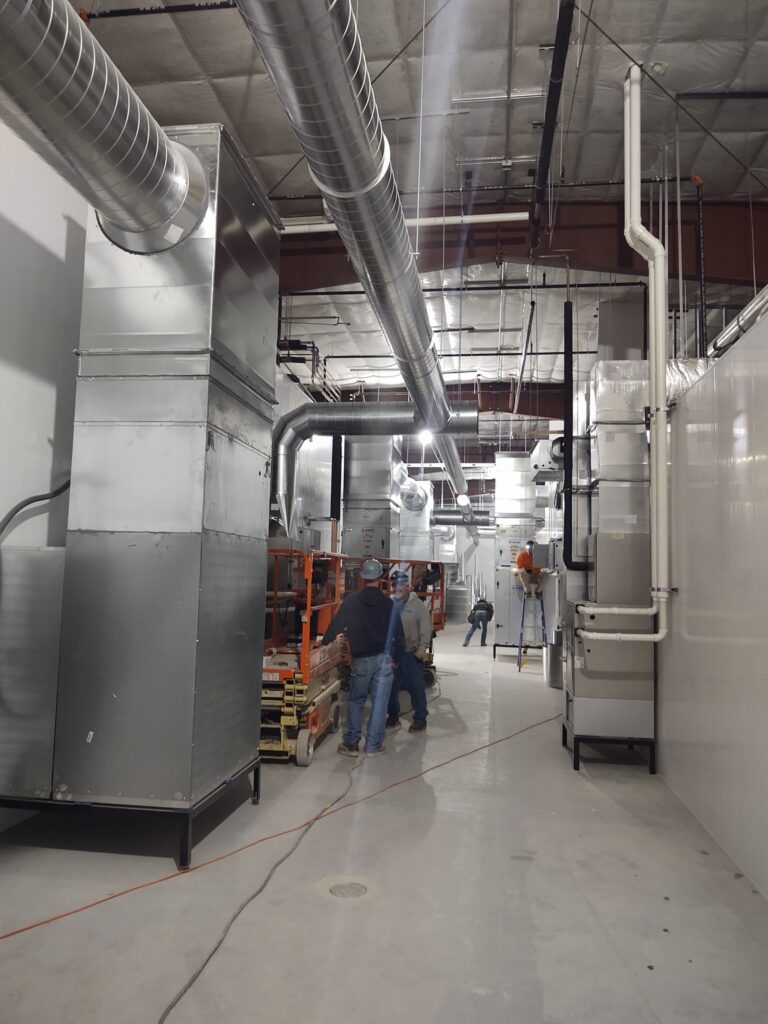
Existing Facility Improvements
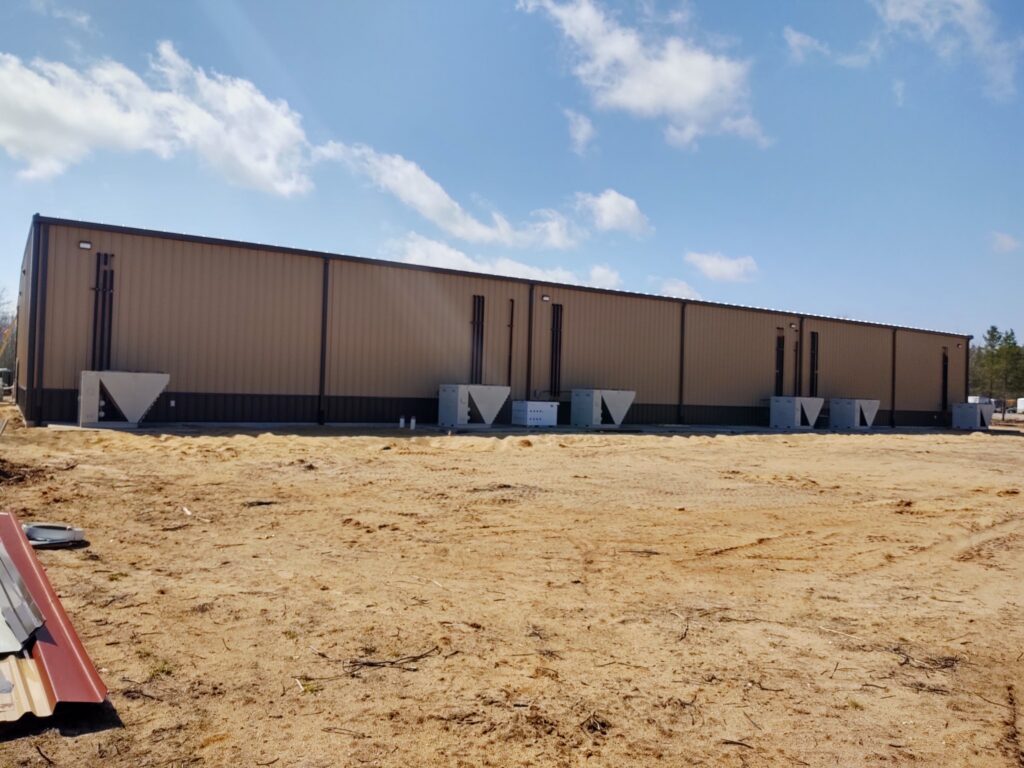
Most operating facilities carry a list of capital work they know they need — systems that are undersized, worn out, or holding production back — and a harder question: what to fix first, and what it should cost. This is targeted capital work, scoped to solve defined problems without shutting the operation down longer than necessary.
What it covers:
- Facility renovations and interior reconfigurations
- Cultivation retrofits — room conversions, layout and workflow corrections, capacity changes
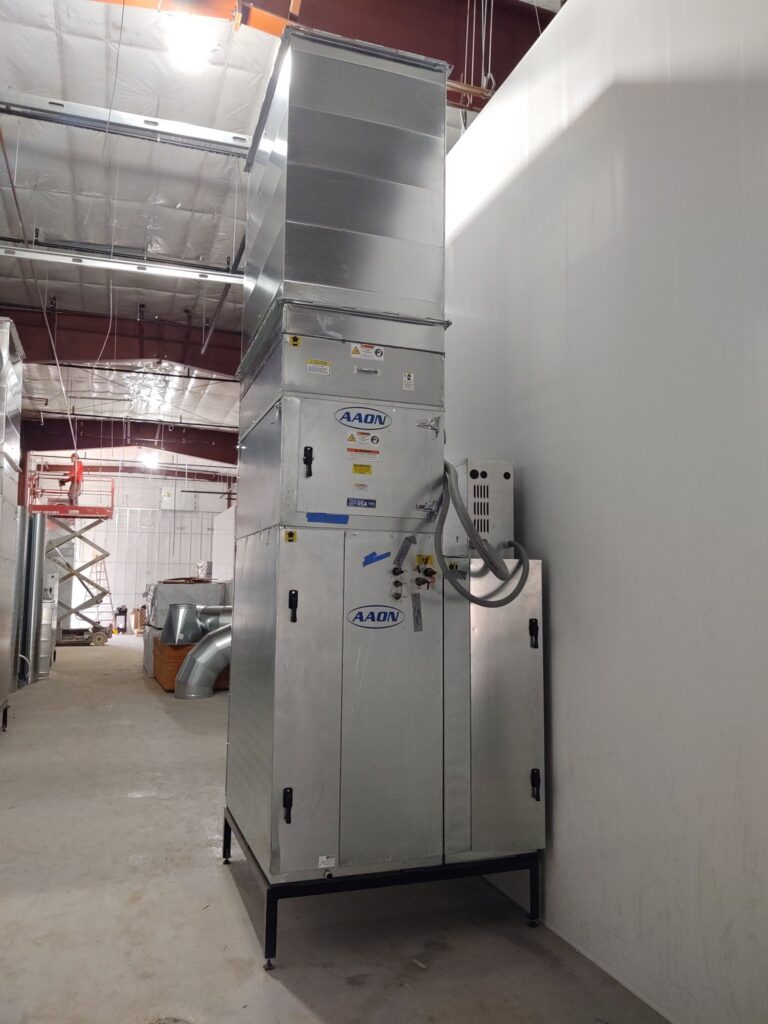
- Mechanical upgrades — HVACD replacement and right-sizing, dehumidification, environmental systems
- Electrical upgrades — service capacity, distribution, lighting and controls
- Environmental and automation upgrades — controls integration, monitoring, fertigation systems
- Processing expansions within an existing footprint
- Distressed-facility rehabilitation — bringing underperforming or idled facilities back to productive operation
How an engagement runs:
- Conversation and walkthrough — We start with the problem you’re solving and walk the facility to see the conditions behind it.
- Defined scope and budget — The work is scoped tightly, with a construction budget developed before commitments are made — so you know what the fix costs before you approve it, and we estimate the operating impact of the improvement up front. That estimate is a planning tool, not a guarantee of returns.
- Coordination around operations — Design, permitting, and procurement are coordinated up front, and our goal is to plan the construction sequence around your production calendar wherever the scope allows. Some improvements can’t be done that way: where the work requires a planned shutdown, we say so before the scope is approved, and the shutdown is scheduled with you — not discovered mid-project.
- Execution and startup — We manage the trades, the schedule, and the budget through construction, then support startup and commissioning — systems started up and tested against agreed commissioning criteria, not just installed.
New Facility Development & Construction
New cultivation, processing, and redevelopment projects are major facility development — and they are where construction experience in cannabis matters most. A general contractor learning this industry on your project will learn it at your expense: in change orders, missed equipment lead times, and rooms that don’t perform as designed. We have already made those lessons part of how we work.
What it covers:
- New cultivation facilities — ground-up design-build and construction
- Major facility expansions — new canopy, added processing capacity, phased build-outs
- Processing and manufacturing facilities — extraction, infusion, packaging, and support space
- Redevelopment and conversion — adapting existing industrial and commercial buildings to cannabis use
- Retail and mixed-use cannabis facilities tied to production operations
How an engagement runs:
- Early involvement — The earlier construction is at the table, the more the design reflects real costs, real lead times, and real operating requirements. We can engage at concept, during design, or at the point of contractor selection.
- Preconstruction — Budget development, design coordination, value decisions made on operating impact rather than first cost alone, and procurement planning for long-lead cultivation equipment — HVACD, fertigation, environmental controls, security and compliance systems.
- Construction — One accountable partner managing the trades, the schedule, and the budget from groundbreaking through fit-out, speaking the language of cultivation so nothing is lost between the drawings and the grow rooms.
- Commissioning and turnover — Systems startup, controls integration, and testing against agreed commissioning criteria, through punch list to a turned-over facility — not just a completed building. Construction completion, system commissioning, and the first harvest are three separate milestones: McCormick’s responsibility covers construction and commissioning support, and the harvest belongs to the operator.
The McCormick Difference
We don’t just evaluate what it costs to build a cannabis facility. We evaluate what it takes for that facility to operate competitively over its useful life.
That is the standard we bring to a targeted mechanical upgrade and a ground-up build alike: what will this cost to run, where will it constrain production, and what should be decided now — while it’s still inexpensive to decide — instead of after the first harvest.
Planning a renovation, an expansion, or a new facility? Start with a conversation about the project and the economics behind it.