
Gitigaan — Northern Wisconsin
Construction & Technical Coordination for Gitigaan
Project case study · Tribal cannabis infrastructure
- Location: Northern Wisconsin
- Client: Lac du Flambeau Band of Lake Superior Chippewa
- Facility: Cultivation and on-site processing
- Cultivation approach: Controlled-environment greenhouse
- McCormick’s role: Construction-phase execution and technical coordination — McCormick joined the project during the construction phase and was not the original project developer
- Setting: Northern Wisconsin climate — significant winter demands
Project Scope
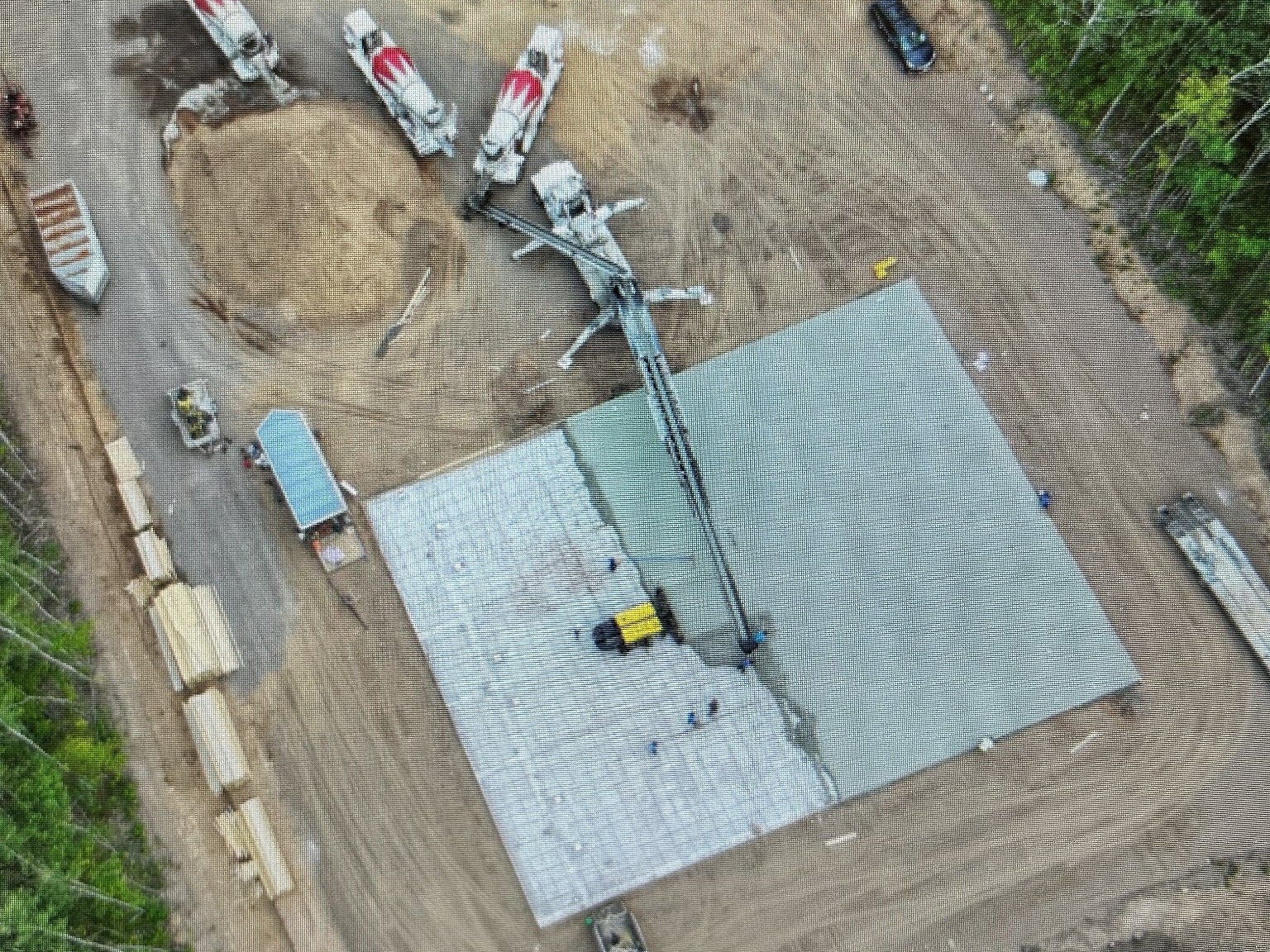
McCormick’s contracted construction scopes at Gitigaan — executed under contract within a delivery structure established before McCormick joined the project:
Concrete
Electrical
Plumbing
Headhouse construction
HVAC construction
Carpentry
Project Overview
The Gitigaan cultivation and processing project represents an important investment in tribal cannabis infrastructure in northern Wisconsin. The Lac du Flambeau Band of Lake Superior Chippewa pursued an emerging economic opportunity requiring the integration of specialized cultivation and processing systems in a demanding climate.
McCormick’s team joined during the construction phase. We were not the original project developer or cannabis development consultant. The facility concept, delivery structure, and several major procurement decisions were established before our involvement. Our role was to execute our contracted construction responsibilities and coordinate technical interfaces within that existing framework.
Construction Scope & Execution
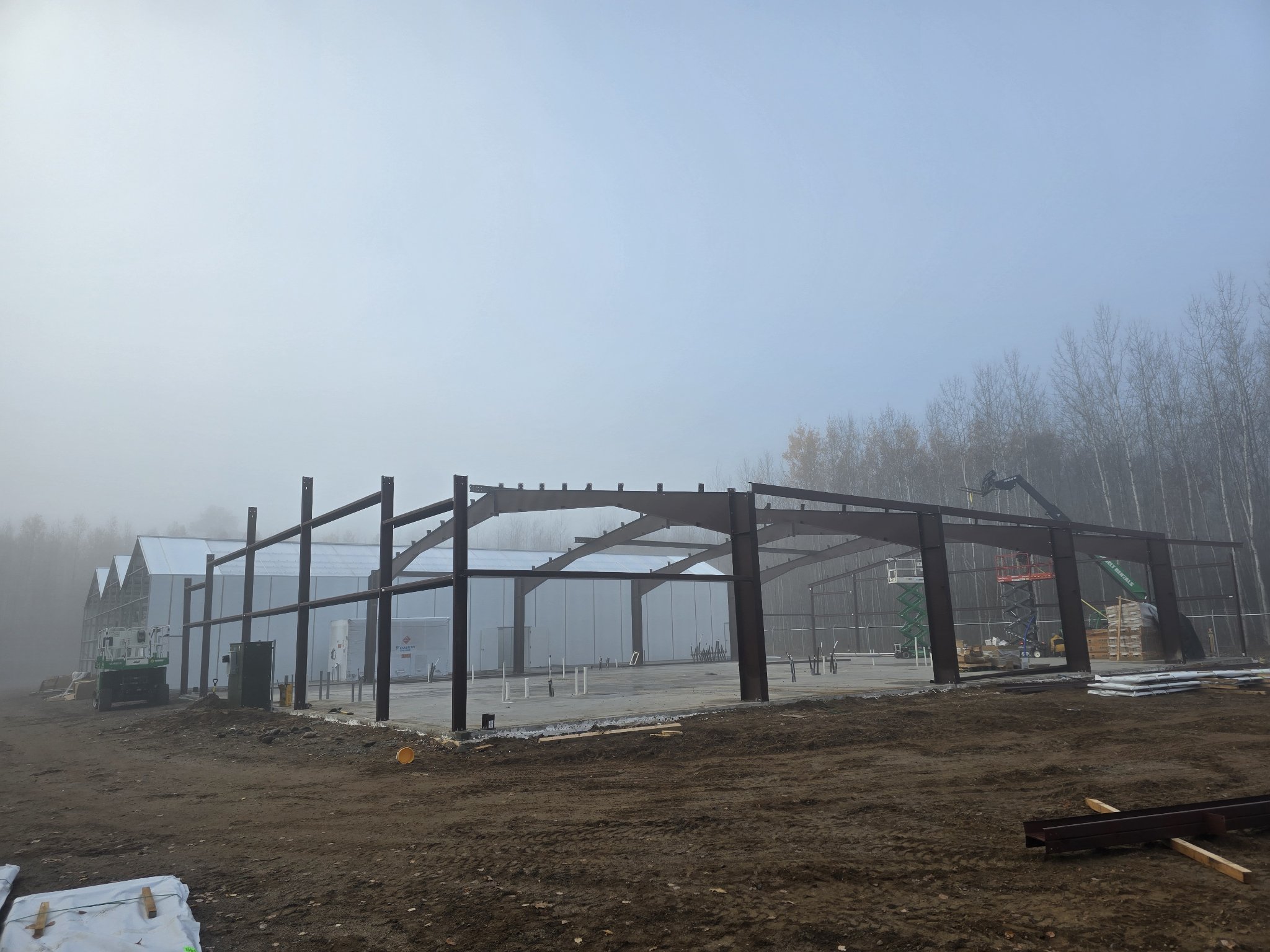
McCormick joined Gitigaan during the construction phase, under contract to execute the contracted scopes set out in the Project Scope summary above, within a delivery structure established before our involvement. Because major portions of the project were contracted among separate parties, carrying out those scopes meant coordinating them with the parties and work already in place — aligning our construction responsibilities with the other contractors’ scopes and coordinating the technical interfaces between building systems, cultivation equipment, and commissioning, all within the existing framework.
Coordinating Across Separate Contracts
Major portions of the project were contracted among separate parties. Within that structure, McCormick executed its contracted scopes and coordinated the technical interfaces between building systems, cultivation equipment, commissioning, and the other contractors’ scopes.
Complex projects may use multiple prime contractors and specialty suppliers for sound commercial or operational reasons. This approach can work well when interfaces are identified, responsibilities are documented, and coordination is clearly assigned. At Gitigaan, that structure reinforced for our team the importance of mapping connections between building systems, cultivation equipment, commissioning, and contractor scopes — using practical tools such as a responsibility matrix, a coordinated procurement schedule, an interface register, a change-control process, and an agreed escalation path.
Key principle: Separate contracts can succeed when technical interfaces are managed as one integrated project.
Integrated Building Systems
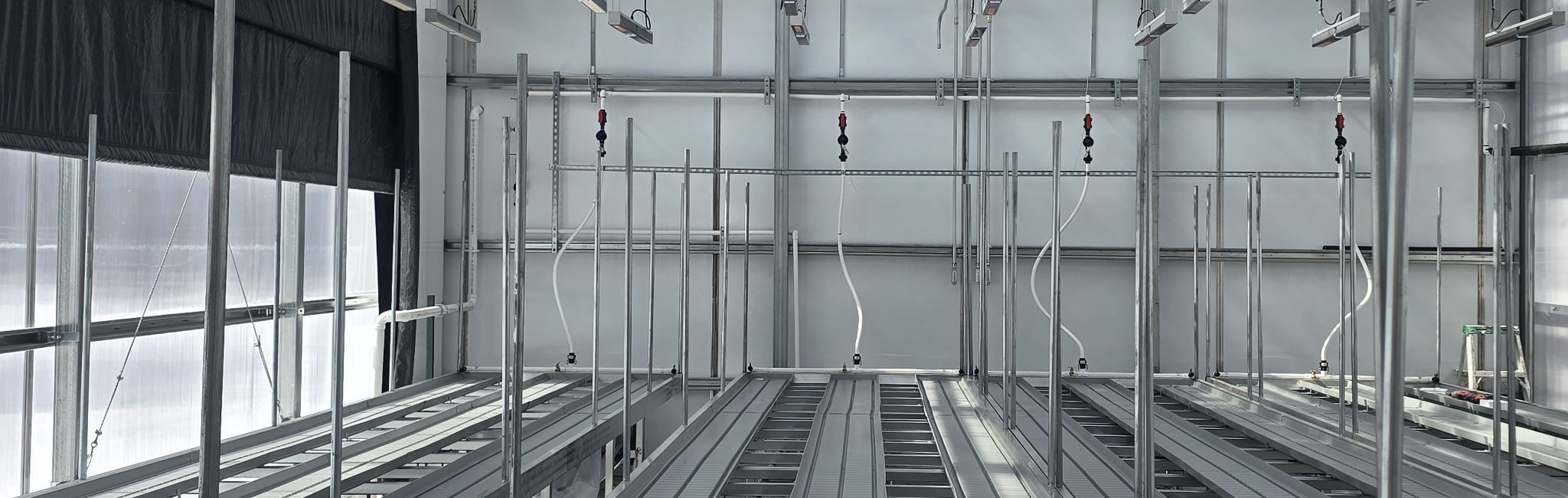
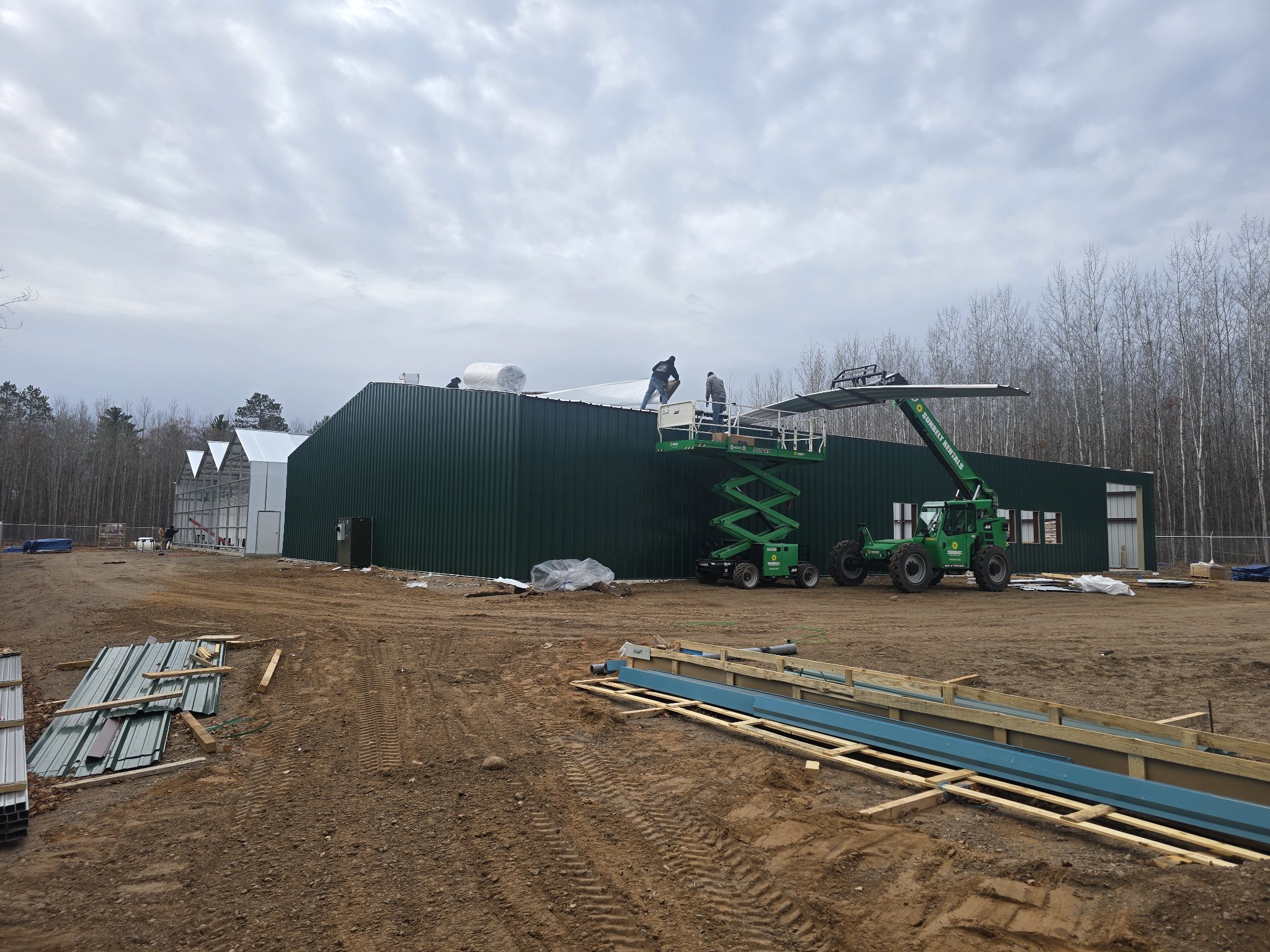
Cultivation and processing infrastructure combines building envelope, HVACD, electrical distribution, lighting, irrigation, water treatment, environmental controls, specialty equipment, processing systems, workflow, and biosecurity. A decision affecting one system can change the requirements of several others.
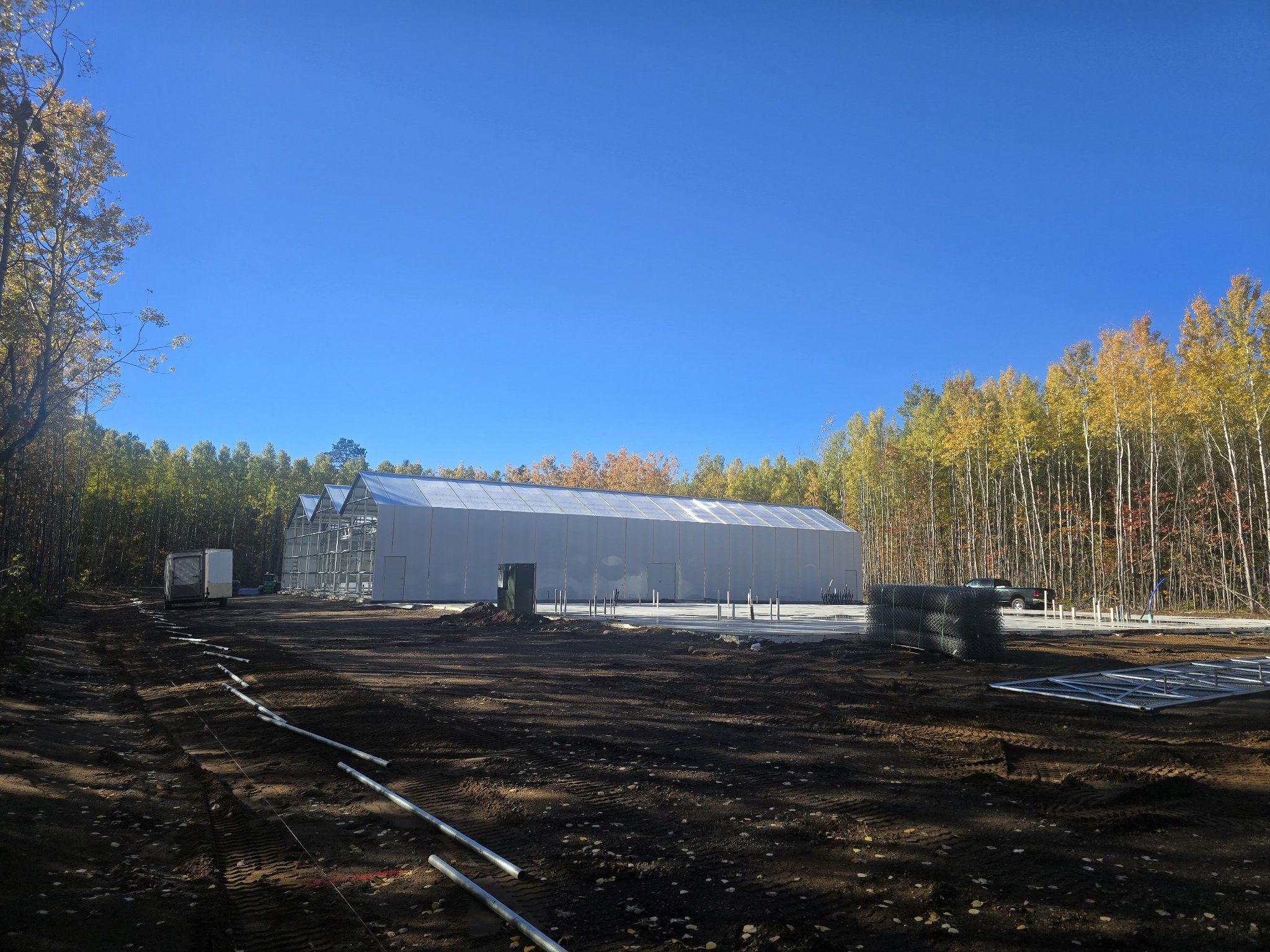
Gitigaan incorporated greenhouse cultivation in northern Wisconsin, where winter temperatures, seasonal variation, and environmental-control demands are significant design considerations. The greenhouse concept had been selected before McCormick joined; our role was to help implement the chosen strategy, not to revisit the original development decision.
What Gitigaan Reinforced
Shared, in the locked study’s own framing, to support informed planning on future projects — not to evaluate the Tribe’s decisions or suggest that any single development approach is universally appropriate.
The building is part of the cultivation system.
Facility type is a foundational controlled-environment agriculture decision. Climate, envelope performance, humidity management, mechanical loads, energy use, and production requirements all influence operating economics.
Key principle: Determine how the operation needs to perform before determining what to build.
Coordination is a construction discipline.
Cultivation facilities combine conventional construction with specialized environmental and production systems. Decision rights, reporting lines, and coordination responsibilities must be established and understood. Meeting records, decision logs, scope matrices, RFIs, written approvals, and documented cost and schedule impacts help preserve institutional knowledge and minimize misunderstandings.
Key principle: Respect sovereign decision-making while making project execution responsibilities clear.
First cost is only one part of value.
Initial construction cost matters, but it should be evaluated alongside long-term energy use, maintenance, labor, environmental stability, equipment replacement, and production performance. Neither the lower-cost option nor the higher-investment option should be assumed correct without project-specific analysis.
The Value of Experience
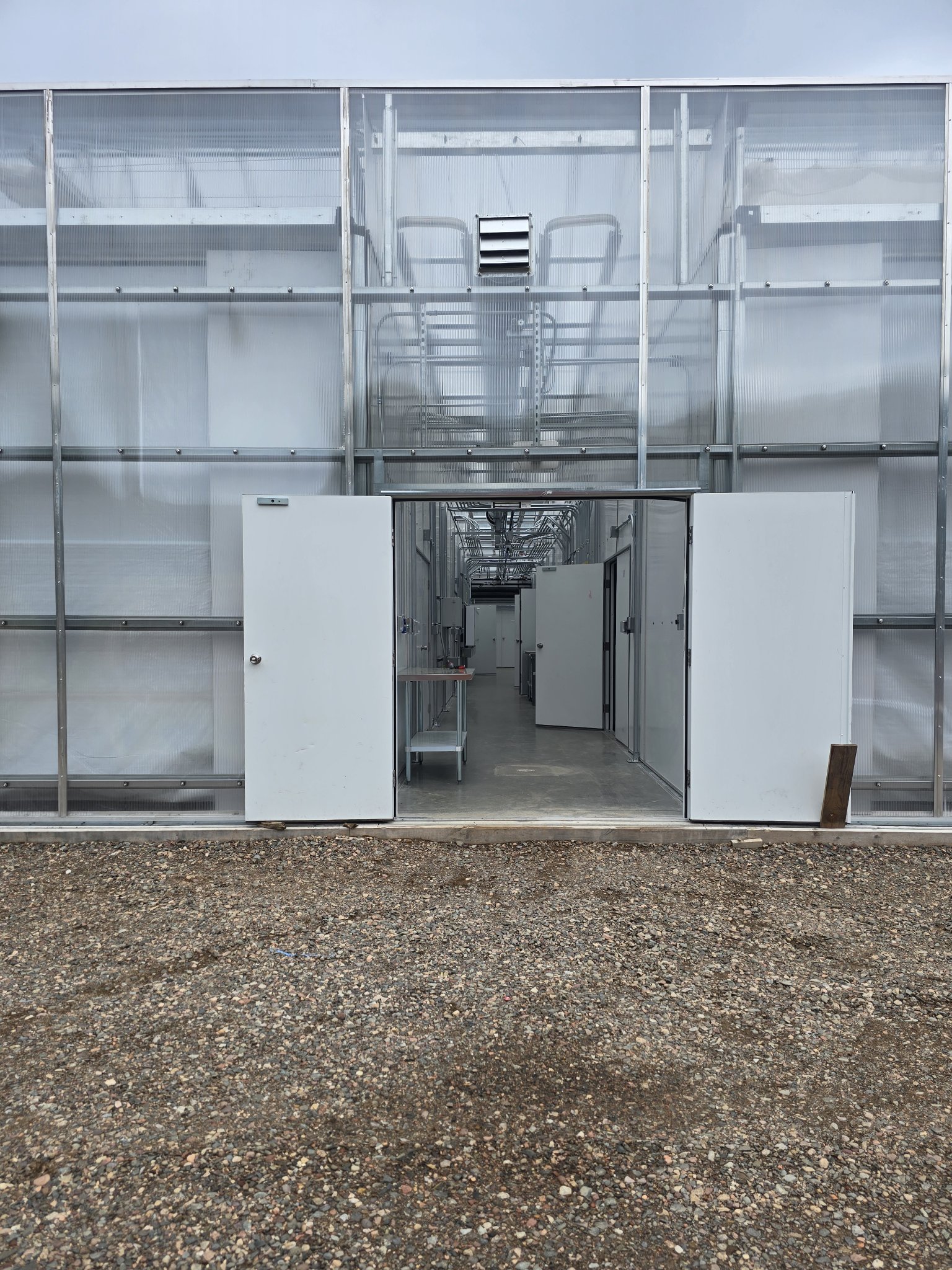
Every significant infrastructure project provides experience that can strengthen the next one. Gitigaan gave McCormick’s team valuable firsthand exposure to construction-phase integration of specialized cannabis systems in northern Wisconsin. We appreciate the opportunity to have contributed to this important tribal initiative. The experience reinforced the value of early technical coordination, disciplined capital planning, clearly defined roles, and lifecycle-focused facility design.
Experience builds better infrastructure.
Specialized Cannabis Facility Construction — New Development · Facility Expansion · Modernization · Technical Integration